As parents, we often worry about the visible dangers surrounding our children – sharp corners, small parts, toxic materials. But there's an invisible threat that many of us overlook: the potential harm from excessively loud toys. The cheerful sounds that captivate our little ones could be quietly damaging their delicate hearing, and the consequences might not become apparent until years later. This isn't about creating panic, but about fostering awareness and taking simple, practical steps to protect what cannot be replaced.
Children's ears are particularly vulnerable to noise-induced hearing loss. Their ear canals are smaller than adults', meaning sound pressure levels become amplified as they travel toward the eardrum. A toy that sounds acceptably loud to an adult might be significantly louder and more damaging to a child. The damage from excessive noise is cumulative and irreversible, building up over time with each exposure. Unlike a scraped knee that heals, damaged hair cells in the inner ear do not regenerate.
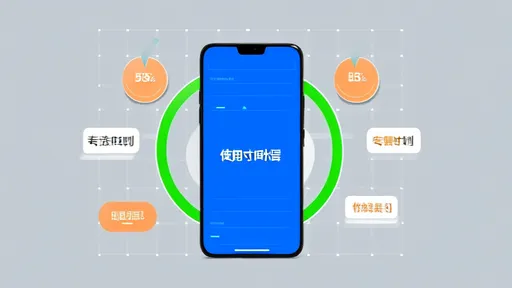
The first step in protection is identification. How can a parent, without sophisticated audio equipment, determine if a toy's volume is safe? A surprisingly effective method involves using your smartphone. Numerous free decibel meter applications are available for both iOS and Android devices. While not as precise as laboratory-grade equipment, these apps provide a reliable ballpark figure that is perfectly adequate for our purposes. The key is to use them correctly to get a meaningful reading.
To test a toy, find a quiet room. Background noise from TVs, conversations, or traffic will skew your results. Hold your smartphone's microphone close to the toy's speaker – about the same distance your child's ear would be when they play with it. This is crucial, as sound intensity decreases dramatically with distance. Activate the toy's loudest sound function and note the maximum decibel level registered on the app. Take several readings to ensure consistency.
Now, what do the numbers mean? Experts, including the World Health Organization and the American Academy of Pediatrics, recommend that toy noise levels should not exceed 85 decibels. This is the general threshold for safe listening over extended periods. A reading between 80-85 dB suggests caution; the toy is likely safe for short play sessions but shouldn't be a constant companion. If your measurements consistently show levels above 85 dB, the risk of hearing damage becomes very real, especially if the child plays with it frequently or for long durations.
Context is everything. A toy that blares a 95 dB siren for two seconds is less concerning than one that plays a constant 88 dB melody. The duration of exposure is a critical factor in hearing damage. Be especially wary of toys that are held close to the ear, like toy phones or walkie-talkies. A sound that is manageable at arm's length can become dangerously intense when pressed directly against the ear canal. Always test the toy from this worst-case scenario distance.
If you discover a toy is too loud, all is not lost. There are simple interventions. The most straightforward is to place a piece of transparent tape over the speaker grille. This can often dampen the sound by a few critical decibels without muffling it entirely. For electronic toys with volume controls, see if you can open the battery compartment and place a small piece of foam or felt behind the speaker. For the truly handy, disconnecting one wire from the speaker is a permanent solution. If these aren't options, the best course of action is to remove the batteries altogether, turning a noisy toy into a safe, silent one. Your child's imagination will easily compensate for the lack of sound.
Beyond testing, become a critical shopper. Before purchasing a new toy, read reviews and product descriptions carefully. Other parents often mention if a toy is annoyingly or painfully loud. If possible, test the toy in the store. Trust your instincts; if it sounds too loud to you from a few feet away, it's definitely too loud for your child. Advocate for safer products by providing feedback to manufacturers when you encounter dangerously loud toys.
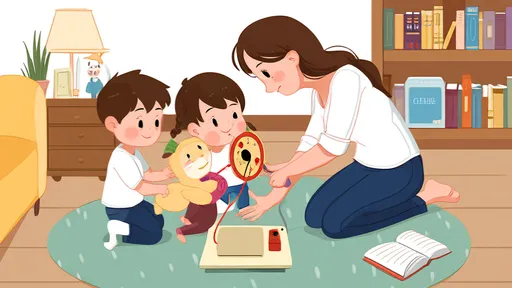
Protecting your child's hearing also involves educating them as they grow. Explain why some sounds can hurt their ears and why it's important to take breaks from noisy environments. Model good behavior by keeping the volume down on your own devices. Make listening safety a normal part of your family's health conversation, just like wearing a seatbelt or looking both ways before crossing the street.
This simple act of testing – taking a few minutes with your phone – empowers you to make informed decisions. It transforms an abstract worry into a manageable action. In the symphony of childhood, filled with laughter, music, and yes, noisy toys, our role is to ensure the melody isn't marred by a preventable injury. By taking these precautions, we are not shielding our children from the joyful noise of play, but rather preserving their ability to hear all of life's beautiful sounds for many years to come.

By /Aug 26, 2025
By /Aug 26, 2025
By /Aug 26, 2025
By /Aug 26, 2025
By /Aug 26, 2025
By /Aug 26, 2025
By /Aug 26, 2025

By /Aug 26, 2025
By /Aug 26, 2025

By /Aug 26, 2025

By /Aug 26, 2025

By /Aug 26, 2025

By /Aug 26, 2025

By /Aug 26, 2025
By /Aug 26, 2025

By /Aug 26, 2025
By /Aug 26, 2025

By /Aug 26, 2025

By /Aug 26, 2025
By /Aug 26, 2025
