For individuals managing diabetes, travel introduces a unique set of challenges, chief among them being the safe storage of insulin. Insulin, a life-sustaining medication for many, is highly sensitive to temperature fluctuations. Exposure to extremes can degrade its efficacy, potentially leading to serious health complications. Thus, ensuring insulin remains within the recommended temperature range—typically between 2°C and 8°C (36°F and 46°F) for refrigerated storage and not exceeding 25°C to 30°C (77°F to 86°F) for in-use pens or vials—is paramount, especially when away from the controlled environment of home. This is where a dedicated travel insulin cooling case transitions from a mere convenience to an absolute necessity.
The fundamental purpose of these specialized cases is to provide a portable, reliable micro-environment that shields insulin from the detrimental effects of heat and cold. Whether navigating the cramped quarters of an airplane, enduring the sweltering heat of a beach holiday, or exploring a chilly mountain trail, these coolers work tirelessly to maintain a stable internal climate. They are engineered not just to cool, but to insulate, protecting their precious contents from the external conditions that threaten its stability. For the diabetic traveler, this reliability translates directly into peace of mind, allowing them to focus on the experience of their journey rather than the constant anxiety over their medication's integrity.
Modern travel cooling cases employ a variety of technologies to achieve temperature stability. The most common and user-friendly option is the evaporative cooling case. These units typically feature a special lining or gel pack that is soaked in water. As the water slowly evaporates through the fabric, it draws heat from the interior, creating a cooling effect that can last for several days in moderate climates. They are lightweight, require no electricity, and are often quite affordable. However, their effectiveness can be diminished in areas with very high humidity, as the reduced rate of evaporation limits the cooling potential.
For longer journeys or travel to regions with extreme temperatures, electric cooling cases offer a more robust solution. These powered units use thermoelectric (Peltier) modules or small compressor systems, similar to miniature refrigerators, to actively cool their interior. They can be powered via a car charger, a wall outlet, or sometimes a USB connection, providing precise and powerful temperature control regardless of the outside weather. The trade-off is their increased cost, weight, and dependence on a power source, which must be planned for meticulously, especially when flying or camping.
A third category relies on phase-change materials (PCMs). These are advanced gel packs or panels that store thermal energy. Unlike simple ice packs, PCMs are designed to melt or freeze at a specific, predetermined temperature. For insulin storage, this temperature is ideally set just above 0°C (32°F) to prevent freezing. Once activated (usually by placing in a freezer or refrigerator for a set period), they will maintain that target temperature for an extended duration, often up to 12-24 hours or more, providing excellent passive cooling without any power needs. They represent a superb middle ground between evaporative and electric coolers.
Selecting the right cooler is a highly personal decision that hinges on several factors. The duration and nature of your travel is the primary consideration. A weekend trip by car might be perfectly served by a simple evaporative cooler or PCM pack, while a multi-week international adventure would necessitate the sustained performance of an electric cooler or a system with large, rechargeable PCMs. The destination's climate is equally critical. High humidity neutralizes evaporative coolers, and extreme heat will challenge passive systems, making an active electric cooler the only viable choice.
Furthermore, portability and power access must be evaluated. How much weight and space are you willing to dedicate? Will you always be near a power outlet, or do you need a solution for off-grid excursions? Finally, capacity is key. Ensure the case can comfortably hold all your insulin vials or pens, plus any other temperature-sensitive medications or glucagon kits, without being overstuffed, as this can compromise insulation.
Owning a high-quality cooler is only half the battle; using it correctly is what guarantees success. Always pre-condition your cooling elements according to the manufacturer’s instructions. For gel packs and PCMs, this means ensuring they are fully frozen or chilled. For evaporative coolers, it means thoroughly wetting the lining. It is crucial to avoid letting insulin directly touch the cooling elements. Always place a cloth or the original insulin packaging between the medication and the cold source to prevent it from freezing, as frozen insulin is irreversibly damaged and must be discarded.
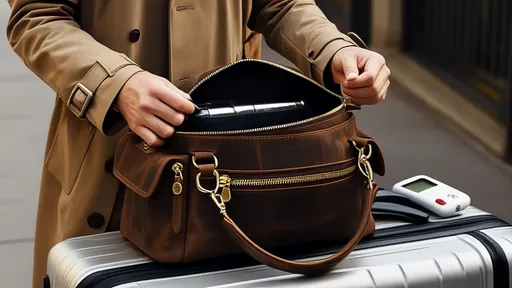
During travel, particularly air travel, never pack insulin or your cooling case in checked luggage. The cargo hold can experience freezing temperatures that no consumer cooler can protect against. Always keep your insulin in your carry-on bag. Be prepared for airport security screenings. Inform the officers that you are carrying medically necessary liquids and cooling equipment. While insulin and gel packs are generally permitted, it is advisable to carry a doctor’s note or a prescription label to smooth the process.
Even with a cooler, it is wise to monitor the temperature inside the case. Several compact, inexpensive digital thermometers are designed for this exact purpose, providing real-time readings and alerts if the temperature drifts out of the safe zone. Finally, always have a contingency plan. Know how to access medical care or purchase emergency insulin at your destination. Carry more insulin than you think you will need to account for any unforeseen delays or losses.
The impact of a reliable insulin cooling case extends far beyond the physiological. It dismantles a significant barrier to adventure and spontaneity. It empowers individuals with diabetes to confidently say "yes" to business trips, family vacations, and exploratory journeys without the shadow of medical anxiety looming overhead. This psychological freedom is invaluable. It reaffirms that a diabetes diagnosis, while requiring diligent management, does not have to define or limit one’s life experiences. The world is vast and full of wonder, and with the right tools and preparation, it remains entirely accessible.
In conclusion, the travel insulin冷藏包 is a critical piece of technology for the modern diabetic explorer. It is a shield, a guardian, and an enabler. From simple evaporative pouches to sophisticated electric units, the range of options ensures there is a solution for every type of traveler and every kind of journey. By carefully considering one's personal travel needs and adhering to best practices for use, individuals can ensure their medication remains safe and effective, transforming travel from a daunting prospect into a joyful and boundless opportunity. The promise of discovery awaits, and with preparation, nothing should hold you back from answering its call.

By /Aug 26, 2025

By /Aug 26, 2025

By /Aug 26, 2025

By /Aug 26, 2025

By /Aug 26, 2025

By /Aug 26, 2025

By /Aug 26, 2025

By /Aug 26, 2025

By /Aug 26, 2025

By /Aug 26, 2025

By /Aug 26, 2025

By /Aug 26, 2025

By /Aug 26, 2025

By /Aug 26, 2025

By /Aug 26, 2025

By /Aug 26, 2025

By /Aug 26, 2025

By /Aug 26, 2025

By /Aug 26, 2025
By /Aug 26, 2025
