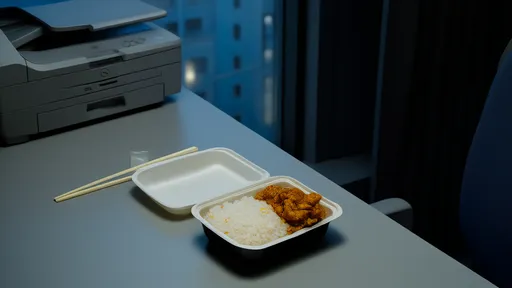
As the golden hour approaches and the familiar rumble of delivery scooters echoes through city streets, millions of containers of steaming rice make their way to doorsteps worldwide. Yet behind this daily ritual of convenience lies a silent culinary dilemma—what becomes of the uneaten rice that accumulates in refrigerators? While much attention has been paid to the safety of meat and dairy in takeaway culture, the humble grain has been quietly sitting in temperature danger zones, posing overlooked risks to consumer health.
The issue begins with a fundamental misunderstanding of rice’s perishability. Many consumers treat cooked rice as a stable, inert food, much like bread or crackers. In reality, rice provides an ideal environment for the rapid multiplication of Bacillus cereus, a heat-resistant bacterium commonly found in soil and food products. This microorganism can survive the cooking process and quickly multiply when rice is left at room temperature. The toxins it produces are not destroyed by reheating, making improper storage a literal recipe for food poisoning.
Restaurant kitchens typically follow strict protocols for rice handling, knowing that the clock starts ticking the moment the rice cooker switches off. Professional chefs are trained to cool rice rapidly in shallow containers and refrigerate it within two hours of cooking. Yet this careful practice often ends at the customer’s doorstep. The insulated delivery bags that keep meals hot during transit become miniature incubators if left unopened, while the typical plastic takeaway containers create anaerobic environments that accelerate bacterial growth.
The danger manifests in what food safety experts call the "temperature danger zone"—the range between 4°C and 60°C where bacteria multiply most rapidly. A container of rice delivered at optimal eating temperature can spend hours crossing this critical threshold if left on countertops or in insulated bags. Even when refrigerated, large quantities of rice packed in deep containers may take too long to cool thoroughly, allowing bacterial colonies to establish themselves in the center where cooling is slowest.
Consumer behavior compounds these risks. The modern relationship with takeaway food often involves ordering more than needed—whether due to bundle deals, minimum order requirements, or simply the difficulty of estimating appetites. This abundance culture creates predictable leftovers, but without corresponding education about their safe handling. Many people view rice as somehow "different" from other cooked foods, often leaving it out overnight or reheating it multiple times without considering the consequences.
The symptoms of Bacillus cereus poisoning range from mild gastrointestinal discomfort to severe vomiting and diarrhea, typically appearing within 16 hours of consumption. While most healthy adults recover without medical intervention, the elderly, young children, and immunocompromised individuals can experience dangerous complications. What makes these cases particularly troubling from a public health perspective is their frequent misattribution to "24-hour flu" or other causes, leaving the true culprit undiagnosed and the preventive measures unlearned.
Solutions require action from multiple stakeholders in the food delivery ecosystem. Restaurants could include clear storage instructions on rice containers—not buried in fine print but through prominent labeling that specifies refrigeration within two hours. Delivery platforms might incorporate food safety reminders into their ordering process or tracking systems, alerting customers when perishable items require immediate attention. Packaging innovations could include phase-change materials that accelerate cooling or indicators that change color when food enters the temperature danger zone.
At the consumer level, awareness represents the first line of defense. Simple practices can dramatically reduce risks: transferring rice to shallow containers immediately upon arrival, refrigerating within one hour during warm weather, and reheating leftovers to at least 74°C while ensuring even heat distribution. Perhaps most importantly, consumers should recognize that reheating rice doesn't make it safe—it only kills active bacteria while leaving heat-stable toxins intact. When in doubt, the old adage holds true: when it comes to leftover rice, if you’re uncertain, throw it out.
The economic implications are equally significant. Food waste researchers estimate that improper storage contributes to millions of tons of avoidable rice waste annually. This represents not just lost nutritional value but squandered resources—the water, energy, and labor invested in growing, processing, and transporting what ultimately becomes hazardous waste. Better safety practices could paradoxically reduce waste by extending the safe lifespan of cooked rice through proper handling.
Regulatory bodies have been slow to address this niche within food safety education. While restaurant inspections rigorously monitor rice handling in commercial kitchens, consumer guidance remains fragmented and often invisible. Public health campaigns tend to focus on raw meat safety or allergen concerns, leaving the seemingly mundane matter of cooked grain storage in the shadows. This gap in food safety education represents a missed opportunity to prevent countless cases of foodborne illness.
As delivery platforms continue to reshape eating habits worldwide, the conversation around food safety must evolve beyond the point of sale. The responsibility for safe food handling increasingly extends along the entire chain—from restaurant kitchen to consumer refrigerator. Rice, as the silent partner in countless takeaway meals, deserves particular attention precisely because of its perceived innocence. In the quest for convenience, we must not overlook the fundamental practices that keep our food safe.
The next time a delivery arrives at your door, consider the journey that rice has taken—from field to restaurant to insulated bag to your home. That journey doesn’t end when the container is opened; it continues through proper storage, timely refrigeration, and mindful consumption. In appreciating these final steps, we honor not just the culinary tradition behind this humble grain, but the science that keeps it nourishing rather than harmful. The difference between sustenance and sickness often lies in those critical hours after delivery, in the choices we make when the meal is done but the rice remains.

By /Aug 26, 2025

By /Aug 26, 2025

By /Aug 26, 2025

By /Aug 26, 2025

By /Aug 26, 2025

By /Aug 26, 2025

By /Aug 26, 2025

By /Aug 26, 2025

By /Aug 26, 2025

By /Aug 26, 2025

By /Aug 26, 2025

By /Aug 26, 2025

By /Aug 26, 2025

By /Aug 26, 2025

By /Aug 26, 2025

By /Aug 26, 2025

By /Aug 26, 2025
By /Aug 26, 2025

By /Aug 26, 2025

By /Aug 26, 2025
