Maintaining a clean and odor-free washing machine is an often overlooked yet crucial aspect of household hygiene that directly impacts both the appliance's longevity and the cleanliness of your laundry. While most users regularly clean the drum and exterior, the drainage system—particularly the drain pipe and hose—frequently becomes a hidden reservoir for grime, mold, and unpleasant smells. Over time, residual detergent, fabric softener, lint, and minerals from water accumulate within the drainage pathway, creating a breeding ground for bacteria and mildew. This not only leads to persistent musty odors that can transfer to your clothes but also poses potential blockages that may impair the machine’s functionality. A proactive approach to drain pipe maintenance can prevent these issues, ensuring your washer operates efficiently and your garments emerge fresh and clean after every cycle.
The drain pipe and hose serve as the exit route for dirty water during each wash cycle, making them critical components in the machine’s operation. However, this constant exposure to moisture and organic debris—such as hair, soap scum, and tiny fibers—makes the interior surfaces prone to buildup. In front-loading machines, the moist environment is especially conducive to mold growth, which often manifests as black spots and a distinct sour smell. Top-loading models are not immune either; stagnant water trapped in low sections of the hose or pipe can foster bacterial colonies. If left unaddressed, this accumulation doesn’t just cause bad odors—it can restrict water flow, leading to slower drainage, overflow errors, or even pump failures. Recognizing the early signs, like lingering dampness or a faint mildew scent, is key to addressing problems before they escalate into costly repairs.
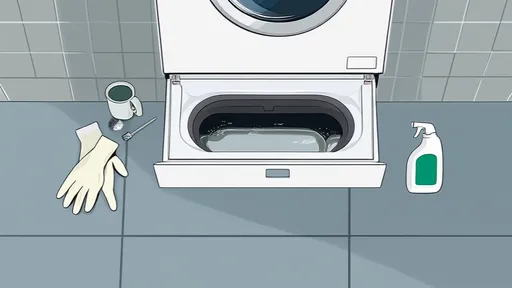
Regular cleaning of the drain pipe is neither complex nor time-consuming, but it requires consistency to be effective. For most households, performing a thorough cleanse every three to six months is sufficient, though those who wash frequently or deal with heavily soiled items may benefit from more frequent attention. Begin by disconnecting the machine from power and water sources to ensure safety. Locate the drain hose, typically found at the back of the unit, and detach it carefully from the wall or standpipe connection. Use a long, flexible brush or a specialized plumbing tool to scrub the interior surfaces, dislodging any visible debris. Flushing the pipe with hot water helps rinse away loosened particles, while a mixture of vinegar and baking soda can break down stubborn residue without harsh chemicals. For persistent grime, a commercial washing machine cleaner designed for drains may be used, but always follow the manufacturer’s guidelines to avoid damaging components.
Preventing odors in the drain system involves a combination of routine practices and mindful usage habits. After each wash cycle, leave the door or lid open for a few hours to allow interior moisture to evaporate, reducing the dampness that mold thrives on. Wiping down the door seal and drum with a dry cloth removes excess water and lint. Additionally, avoid overloading the machine or using excessive detergent, as surplus soap doesn’t rinse away completely and ends up coating the drain pipe. Opt for high-efficiency detergents and consider skipping fabric softeners, which often contain oils that cling to pipes and promote buildup. Once a month, running an empty hot cycle with two cups of white vinegar or a washing machine cleaning tablet can help dissolve minor accumulations and neutralize odors before they become noticeable. These small steps, integrated into your laundry routine, significantly reduce the risk of drain-related issues.
Despite diligent maintenance, certain scenarios may indicate a deeper problem requiring professional intervention. If you notice water backing up into the drum or draining unusually slowly, there could be a severe blockage deeper within the pipe or pump. Persistent foul odors that return shortly after cleaning might signal mold penetration in inaccessible areas or a malfunctioning filter. In such cases, attempting extensive disassembly yourself could void warranties or cause further damage. Certified technicians have the tools and expertise to diagnose and resolve complex issues, from replacing damaged hoses to clearing obstructions in the sewer line. Investing in occasional professional servicing not only resolves immediate problems but also extends the lifespan of your appliance, ensuring it continues to perform reliably for years to come.
A well-maintained drain system is integral to the overall health of your washing machine, impacting everything from hygiene to operational efficiency. By adopting a proactive stance—combining regular cleanings with smart usage habits—you can prevent the majority of odor and blockage issues. This not only keeps your laundry smelling fresh but also safeguards your appliance against premature wear, ultimately saving time, money, and frustration. Remember, a little effort invested in upkeep goes a long way in preserving the functionality and cleanliness of one of the most relied-upon appliances in your home.

By /Aug 26, 2025

By /Aug 26, 2025

By /Aug 26, 2025

By /Aug 26, 2025
By /Aug 26, 2025

By /Aug 26, 2025

By /Aug 26, 2025

By /Aug 26, 2025

By /Aug 26, 2025

By /Aug 26, 2025

By /Aug 26, 2025

By /Aug 26, 2025

By /Aug 26, 2025

By /Aug 26, 2025

By /Aug 26, 2025

By /Aug 26, 2025

By /Aug 26, 2025

By /Aug 26, 2025

By /Aug 26, 2025

By /Aug 26, 2025
