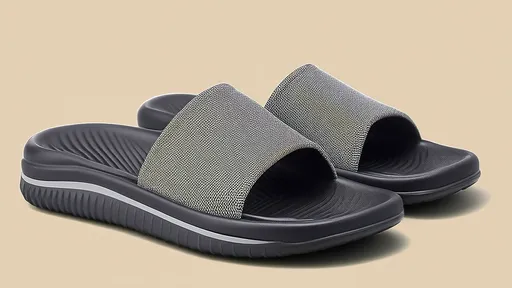
Gout Patients' Selection Criteria for Home Slippers: Focusing on Daily Protection of Foot Joints

Aug 26, 2025 By

For individuals living with gout, every step can be a reminder of the condition's persistent presence. The searing pain that characterizes a flare-up often centers in the joints of the feet, making the simple, daily act of walking a complex challenge. While medication and diet are the cornerstones of managing this form of inflammatory arthritis, the importance of foundational, mechanical support is frequently underestimated. The shoes one wears, particularly the slippers chosen for the countless hours spent at home, play a crucial and underappreciated role in daily comfort and long-term joint health. The quest for the perfect home slipper is not merely about comfort; it is a deliberate strategy for mitigating pain and protecting vulnerable feet.

The physiology of a gout attack provides the essential context for why footwear matters. Gout occurs due to the deposition of monosodium urate crystals in joints and surrounding tissues, triggering a intense inflammatory response. The first metatarsophalangeal joint, the large joint at the base of the big toe, is a classic and common site for these painful episodes, earning it the nickname "podagra." However, the ankles, midfoot, and heels are also frequently affected. These areas become exquisitely tender, swollen, and hypersensitive to pressure. During an acute attack, even the weight of a bedsheet can feel unbearable. In the intercritical periods between flares, the joints, while not in active agony, often remain somewhat sensitive and are susceptible to future attacks. This constant state of vulnerability demands a protective environment, starting from the ground up.

This is where the concept of shoe sole hardness enters the discussion, not as a minor detail, but as a critical therapeutic variable. The hardness of a slipper's sole determines its ability to manage two fundamental forces: impact and pressure. A sole that is too soft, while initially feeling plush and comfortable, often lacks the structural integrity to provide adequate support. It may allow the foot to sag and the joints to collapse into an unnatural position, straining the very structures one is trying to protect. It also does a poor job of dissipating the shock that travels up the foot with each step, transmitting that energy directly into the inflamed joints.

Conversely, a sole that is too hard and completely unyielding presents its own set of problems. It offers no cushioning whatsoever, creating high-pressure points—particularly under the tender heel and the ball of the foot—that can exacerbate pain. It fails to absorb shock, instead reflecting it back into the foot and leg. Walking on an utterly rigid surface can feel jarring and can potentially aggravate not only gouty joints but also contribute to other conditions like plantar fasciitis.

The ideal, therefore, lies in a precise balance. For the gout sufferer, the optimal home slipper should feature a sole of moderate hardness. This Goldilocks zone—not too soft, not too hard—provides a synergistic combination of cushioning and support. A mid-density sole will compress slightly under weight, cushioning the impact of the heel strike and softening the pressure on the forefoot during the "toe-off" phase of walking. This shock absorption is paramount for preventing the micro-traumas that can potentially trigger an inflammatory response in a predisposed joint.

Simultaneously, a sole with moderate hardness retains enough firmness to offer structural support. It helps to maintain the foot's natural alignment, preventing excessive pronation (rolling inward) or supination (rolling outward) which can place abnormal stress on the ankle and midfoot joints. This supportive platform effectively distributes body weight more evenly across the entire plantar surface of the foot, rather than concentrating it on a few painful hotspots. By creating a more uniform pressure map, it alleviates the strain on the most vulnerable areas, such as the big toe joint.

Beyond the overall hardness, the construction and design of the slipper are equally important. A contoured footbed that mirrors the natural arch of the foot can provide additional support, helping to stabilize the foot and reduce fatigue. A deep heel cup is another valuable feature, cradling the heel to enhance stability and ensure proper alignment. The material composition is also key. Modern polymer composites, memory foam layered over a firmer base, or high-quality rubber compounds can often provide this ideal balance of cushioning and support better than simple, single-density foam or hard plastic.

When selecting slippers, it is also wise to consider other design elements that contribute to overall foot health. A wide toe box is non-negotiable. It allows the toes to splay naturally without being compressed, which is vital for avoiding pressure on the sensitive joints of the toes, especially the first MTP joint. Look for styles with adjustable features, such as a hook-and-loop strap or laces. This allows for a customizable fit that can accommodate the fluctuating swelling that is common with gout, ensuring the slipper remains secure and comfortable whether the foot is its normal size or noticeably swollen.

Ultimately, choosing the right home slipper is an act of proactive self-care for anyone managing gout. It is a daily intervention that works in concert with medical treatment to create a environment where the feet can rest, recover, and be protected. The goal is to make the home, a place of respite, truly safe for the feet. By prioritizing a slipper with a sole of moderate hardness, coupled with supportive design features, individuals can significantly influence their daily comfort level and potentially reduce the frequency or severity of future painful episodes. It transforms a simple household item into a powerful tool for managing a complex and painful condition, one comfortable step at a time.

Recommend Posts
Health

Mindful Snacking: A Psychological Strategy for Navigating Office Food Culture"

By /Aug 26, 2025

In the bustling ecosystem of modern offices, shared afternoon tea and snacks have become a staple of workplace culture. These moments of communal indulgence offer more than just a break from screens and deadlines; they serve as informal hubs for connection, collaboration, and casual conversation. However, as plates of cookies, bowls of candy, and platters of pastries make their rounds, an underlying challenge often emerges: how to enjoy these treats without overindulgence or waste. The concept of "moderate serving" has quietly entered the scene, not as a strict rule, but as a subtle psychological nudge toward mindful consumption.
Health

The Impact of Different Mechanical Keyboard Switches on Hand Fatigue During Long Coding Sessions - Focusing on Hardware Selection.

By /Aug 26, 2025

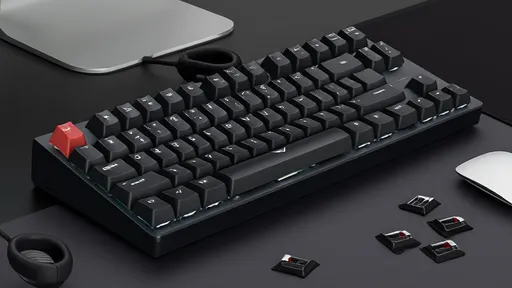
In the world of mechanical keyboards, the choice of switch type is far more than a matter of preference for sound or tactile feedback; it is a critical decision that can significantly impact a user's comfort and physical well-being during extended typing sessions. For professionals, writers, programmers, and anyone who spends hours at a keyboard, the cumulative effect of each keystroke can lead to hand fatigue, strain, or even more serious repetitive stress injuries. The hardware selection, therefore, moves from a simple component choice to an ergonomic consideration paramount to long-term health and productivity.
Health

Checklist for the 'Stability' of Elderly-Friendly Furniture to Prevent Falls Caused by Furniture Issues"

By /Aug 26, 2025

As we age, our homes should be sanctuaries of safety and comfort, yet often they harbor hidden dangers that can lead to serious injuries. Among the most common and preventable accidents are falls, many of which are caused by unstable or unsuitable furniture. The familiar armchair that has been in the living room for decades, the wobbly bedside table, or the poorly placed floor lamp can transform from trusted household items into significant hazards. For older adults, whose balance, strength, and bone density may not be what they once were, a simple tumble over a low piece of furniture can have life-altering consequences, including fractures, loss of independence, and a long, challenging recovery. Therefore, a proactive and thorough approach to assessing the stability of everyday furniture is not just a matter of home maintenance; it is a critical component of preserving health, autonomy, and quality of life in our later years.
Health

A Simple Method for Testing the Decibel Level of Children's Toys - Protecting Children's Hearing.

By /Aug 26, 2025

As parents, we often worry about the visible dangers surrounding our children – sharp corners, small parts, toxic materials. But there's an invisible threat that many of us overlook: the potential harm from excessively loud toys. The cheerful sounds that captivate our little ones could be quietly damaging their delicate hearing, and the consequences might not become apparent until years later. This isn't about creating panic, but about fostering awareness and taking simple, practical steps to protect what cannot be replaced.
Health

Regular Cleaning of Washing Machine Drain Hoses and Odor Prevention for Long-term Hygiene Maintenance

By /Aug 26, 2025

Maintaining a clean and odor-free washing machine is an often overlooked yet crucial aspect of household hygiene that directly impacts both the appliance's longevity and the cleanliness of your laundry. While most users regularly clean the drum and exterior, the drainage system—particularly the drain pipe and hose—frequently becomes a hidden reservoir for grime, mold, and unpleasant smells. Over time, residual detergent, fabric softener, lint, and minerals from water accumulate within the drainage pathway, creating a breeding ground for bacteria and mildew. This not only leads to persistent musty odors that can transfer to your clothes but also poses potential blockages that may impair the machine’s functionality. A proactive approach to drain pipe maintenance can prevent these issues, ensuring your washer operates efficiently and your garments emerge fresh and clean after every cycle.
Health

Dust Control and Clutter Management Suggestions for Under-Bed Space - Focusing on Overall Air Quality.

By /Aug 26, 2025

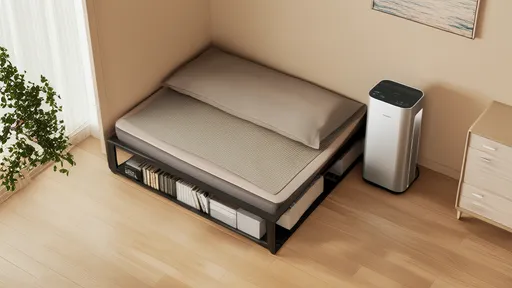
Beneath the creaking floorboards and behind the dust-laden shadows of our bedrooms lies a space most of us prefer to ignore—the underbed area. Often treated as a convenient, out-of-sight storage solution, this neglected zone can become a significant contributor to indoor air pollution if left unmanaged. From forgotten cardboard boxes to seasonal clothing and miscellaneous household items, the accumulation of clutter not only consumes valuable space but also invites dust, allergens, and even mold to thrive. The consequences extend beyond mere clutter; they seep into the very air we breathe, affecting overall indoor air quality and, ultimately, our health.
Health

Repairing Emotional Conflicts with Children: Opening Lines for Restorative Conversations"

By /Aug 26, 2025

In the delicate dance of parent-child relationships, moments of emotional conflict are inevitable. When voices rise and tensions flare, the aftermath often leaves both parties feeling raw and disconnected. Yet within these fractures lies a profound opportunity—not merely for reconciliation, but for deepening trust and understanding. The art of initiating what experts call "repair conversations" is less about finding immediate solutions and more about creating a space where emotions can be honored without judgment. It begins with a shift in mindset: viewing conflict not as a failure of relationship, but as a natural part of its evolution.
Health

Think Twice Before Responding in Workplace Chats - Reducing Conflicts Caused by Instant Reactions"

By /Aug 26, 2025

In the bustling digital corridors of modern workplaces, group chats have become both a lifeline and a minefield. The constant pings of @mentions can pull professionals in multiple directions, demanding immediate attention and often triggering swift, sometimes regrettable, replies. The pressure to respond instantly is palpable, driven by a culture that often mistakes speed for efficiency and haste for decisiveness. Yet, this very impulse—the quick-trigger reply—is frequently the root of misunderstandings, bruised egos, and unnecessary conflicts that ripple through teams and projects.
Health

Weekly Review Method for Mobile Screen Time Reports - Guiding Digital Health with Data"

By /Aug 26, 2025

In our increasingly connected world, the smartphone has become both a lifeline and a source of constant distraction. Many of us find ourselves reaching for our devices instinctively, often without a clear purpose, only to realize hours have slipped away. This digital immersion, while offering undeniable benefits, carries a hidden cost to our time, focus, and overall well-being. The first step toward reclaiming control is not a drastic digital detox but a more strategic approach: understanding our habits. This is where the data we often ignore can become our most powerful ally.
Health

Correct Posture for Picking Up Pets from the Ground for Patients with Lower Back Pain - Specific Guidance for Pet-Owning Families

By /Aug 26, 2025

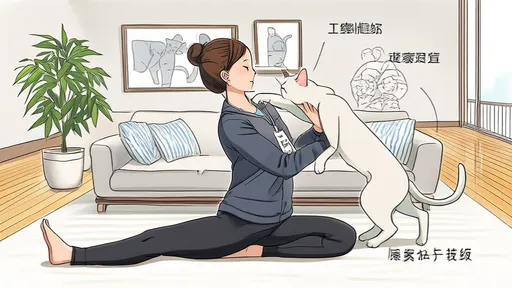
For countless pet owners, the joy and companionship offered by their furry friends are immeasurable. However, for those who experience chronic or acute back pain, the simple act of lifting a pet from the ground can transform a moment of affection into a source of significant discomfort or even injury. Back pain, whether stemming from previous injuries, degenerative conditions, or muscular strain, necessitates a mindful approach to physical activities—especially those involving bending and lifting. The combination of an eager pet and a painful back creates a unique challenge that requires specific strategies to ensure both the owner's well-being and the pet's safety.
Health

Gout Patients' Selection Criteria for Home Slippers: Focusing on Daily Protection of Foot Joints

By /Aug 26, 2025

For individuals living with gout, every step can be a reminder of the condition's persistent presence. The searing pain that characterizes a flare-up often centers in the joints of the feet, making the simple, daily act of walking a complex challenge. While medication and diet are the cornerstones of managing this form of inflammatory arthritis, the importance of foundational, mechanical support is frequently underestimated. The shoes one wears, particularly the slippers chosen for the countless hours spent at home, play a crucial and underappreciated role in daily comfort and long-term joint health. The quest for the perfect home slipper is not merely about comfort; it is a deliberate strategy for mitigating pain and protecting vulnerable feet.
Health

Fatty Liver Patients' Holiday Fruit Platter Visual Management" Method - Controlling Intake through Behavioral Psychology

By /Aug 26, 2025

The festive season brings with it a kaleidoscope of culinary temptations, and for individuals managing fatty liver disease, the sight of a lavish fruit platter can be as daunting as it is delightful. While fruit is undoubtedly a healthier alternative to many traditional holiday treats, the sugar content in certain varieties—particularly fructose—can pose significant challenges for liver health when consumed in excess. This is where the concept of "visual management" emerges not as a restrictive diet tactic, but as a sophisticated behavioral strategy to navigate these occasions with both enjoyment and control.
Health

Slow Rising" Principle for Hypertension Patients in the Morning Toilet - Preventing Risks from Postural Changes

By /Aug 26, 2025

For millions of hypertension patients worldwide, the simple act of rising from bed to use the bathroom carries hidden dangers that many remain unaware of. The transition from lying down to standing initiates a complex physiological process that can prove particularly hazardous for those with high blood pressure. This article explores the critical "slow-rise" principle that every hypertensive individual should adopt during morning bathroom visits to prevent potentially dangerous consequences.
Health

Transforming Cold Environment into Exercise Motivation: The Benefits of Brisk Walking in Supermarket Cold Sections"

By /Aug 26, 2025

As you push your cart through the frosty aisles of the supermarket's refrigerated section, an unexpected opportunity for fitness emerges. The very environment that keeps your groceries fresh can become an unlikely ally in your daily exercise routine. This chilly corridor, often hurried through with chattering teeth, holds the potential to transform mundane shopping into a valuable movement session.
Health

Core Techniques for Installing Child Safety Seats - Self-Protection in Parenting Scenarios

By /Aug 26, 2025

As parents, we often find ourselves in the most unexpected battles of strength and will, and few moments test our resolve quite like installing a child safety seat. It’s a ritual that blends love, frustration, and a surprising amount of physical exertion. In the quiet of the garage or the cramped backseat of the car, we wrestle with LATCH connectors and seat belts, all while a curious toddler tugs at our pant leg. It is in these moments that the concept of self-protection becomes as vital as the act of securing our child. We are so focused on their safety that we often neglect our own bodies, leading to strained backs, sore shoulders, and a lingering ache that serves as a reminder of our dedication—and our oversight.
Health

Relaxing Neck and Shoulders While Using Mobile Payment - Alleviating Muscle Tension in Spare Time

By /Aug 26, 2025

As we stand in line waiting for our morning coffee or during those brief moments between meetings when we quickly check our phones, most of us instinctively hunch forward, shoulders creeping toward our ears, necks craned downward at an unnatural angle. This modern posture has become so ubiquitous it barely registers as noteworthy—until the stiffness sets in. The very technology designed to save us time has quietly become a source of chronic physical tension, particularly in the shoulders and neck.
Health

A Psychological Guide to Choosing Stairs When the Elevator is Full

By /Aug 26, 2025

In the bustling rhythm of modern urban life, the elevator stands as a symbol of efficiency and convenience, whisking us effortlessly between floors with the mere push of a button. Yet, there exists a moment of decision familiar to many: the sight of a crowded elevator, its doors sliding open to reveal a space already filled to capacity. In that instant, a choice presents itself—to wait for the next car or to turn toward the stairwell. This seemingly trivial decision, however, is far more than a matter of convenience; it is a window into the complex interplay of psychology, behavior, and environment that shapes our daily actions. Opting for the stairs over a full elevator is not just a physical act but a psychological shift, one that involves overcoming inertia, reassessing priorities, and embracing a mindset of intentional movement.
Health

Addressing Leftover Rice from Takeout: Focusing on the Overlooked Issue of Food Safety with Takeaway Staple Foods"

By /Aug 26, 2025

As the golden hour approaches and the familiar rumble of delivery scooters echoes through city streets, millions of containers of steaming rice make their way to doorsteps worldwide. Yet behind this daily ritual of convenience lies a silent culinary dilemma—what becomes of the uneaten rice that accumulates in refrigerators? While much attention has been paid to the safety of meat and dairy in takeaway culture, the humble grain has been quietly sitting in temperature danger zones, posing overlooked risks to consumer health.
Health

Smoothing Bedsheet Creases for Long-Term Bedridden Individuals

By /Aug 26, 2025

In the quiet corners of healthcare facilities and home care settings, a seemingly mundane detail holds profound significance for those confined to prolonged bed rest. The wrinkles and folds in bed linens, often overlooked by the casual observer, represent more than just an aesthetic concern; they are a matter of comfort, dignity, and, most critically, health. For individuals who spend the majority of their days and nights in bed, the smoothness of their sheets can be the difference between a restful sleep and a night of discomfort, between healthy skin and the development of painful, dangerous pressure injuries.
Health

Diabetic Travel Insulin Cooling Bag

By /Aug 26, 2025

For individuals managing diabetes, travel introduces a unique set of challenges, chief among them being the safe storage of insulin. Insulin, a life-sustaining medication for many, is highly sensitive to temperature fluctuations. Exposure to extremes can degrade its efficacy, potentially leading to serious health complications. Thus, ensuring insulin remains within the recommended temperature range—typically between 2°C and 8°C (36°F and 46°F) for refrigerated storage and not exceeding 25°C to 30°C (77°F to 86°F) for in-use pens or vials—is paramount, especially when away from the controlled environment of home. This is where a dedicated travel insulin cooling case transitions from a mere convenience to an absolute necessity.