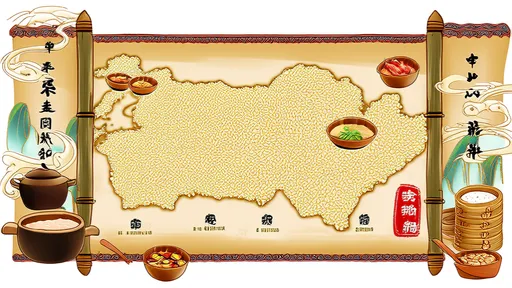
China's vast culinary landscape boasts an intricate tapestry of regional porridge traditions, each telling a story of local ingredients, climate, and cultural heritage. From the hearty simplicity of northern millet congee to the vibrant complexity of southern fresh-boiled porridge, this humble dish transforms across latitudes, reflecting the soul of each region. The journey through China's porridge map is not merely a gastronomic tour but a deep dive into centuries of agricultural practices, philosophical beliefs, and communal rituals that have shaped how millions start or end their day.
In the arid plains and cold climates of Northern China, porridge often serves as a sturdy, warming staple designed to sustain through harsh winters and labor-intensive days. Millet congee, known as xiaomi zhou, reigns supreme here, its golden hue and slightly grainy texture a testament to the crop's historical dominance in the region. Unlike the rice-based porridges of the south, millet porridge is typically cooked longer, resulting in a thicker, more substantial consistency that clings to the spoon. It is commonly enjoyed plain or with minimal additions like steamed buns, pickled vegetables, or a drizzle of soy sauce, embodying a culinary philosophy rooted in practicality and nourishment. Families often gather around a large pot of simmering millet porridge for breakfast, believing it strengthens the spleen and aids digestion—a principle drawn from traditional Chinese medicine.
Moving toward the eastern provinces, such as Shandong and Jiangsu, porridge begins to incorporate more rice and local grains like barley, often enriched with freshwater delicacies. The famed eight-treasure porridge (labazhou), though eaten nationwide during the Laba Festival, finds particularly elaborate expressions here. Cooks might add lotus seeds, longan, red dates, and nuts, simmering them for hours into a sweet, celebratory dish that symbolizes prosperity and harmony. In coastal areas, savory versions emerge with shredded fish, dried shrimp, or scallops, slowly cooked until the grains break down and absorb the briny essence of the sea. These porridges are seldom rushed; they are dishes of patience, often prepared by elders who stir the pot with a wooden spoon, infusing it with intention and care.
The central regions, including Hunan and Hubei, bridge north and south with porridges that balance heartiness and refinement. Rice becomes the primary grain, but it is frequently paired with robust flavors like preserved meats, mustard greens, or spicy pickles. Congee here might be simmered with lapa (cured pork) or duck meat, creating a rich, oily broth that comforts during humid summers and chilly winters. A distinctive technique involves using alkaline water or a pinch of baking soda to break down the rice starches faster, yielding a silkier texture without prolonged cooking. This area's porridge culture is pragmatic yet inventive, often utilizing leftovers to minimize waste while maximizing flavor—a practice echoing the agrarian values of resourcefulness and seasonal eating.
As we venture into Southern China, particularly Guangdong and Fujian, porridge transforms into an art form of freshness and speed. The iconic Cantonese fresh-boiled porridge (sheng zhou or zha zhou) is a masterpiece of texture and immediacy. Unlike the slow-simmered congees of other regions, it involves parboiling rice until just tender, then quickly cooking it in a flavorful broth alongside raw ingredients like fish slices, pork liver, or oysters. The result is a porridge where the grains remain distinct yet soft, and the additions are perfectly cooked—tender but not rubbery. Teochew-style porridge, another southern variant, often features a waterier base with separate side dishes of salted vegetables, braised duck, or fermented tofu, allowing diners to customize each bite.
What sets southern porridge apart is its emphasis on umami and freshness, influenced by the region's abundant seafood and year-round growing season. Street vendors and restaurants boast live tanks where fish, eels, or shrimp are plucked and sliced to order, then barely cooked in the hot porridge just before serving. Garnishes like ginger shreds, scallions, and peanuts add crunch and zing, while a dash of white pepper ties everything together. This style is not just food; it is theater, a communal experience often enjoyed late at night with friends over lively conversation. The porridge is believed to cool the body according to medicinal principles, making it a popular choice in the subtropical heat.
Beyond these major regional divisions, countless local variations exist, each with its own story. In Sichuan, porridge might be spiked with chili oil and pickled vegetables for a numbing kick. In Tibet, tsampa porridge made from roasted barley flour offers sustenance at high altitudes. Meanwhile, ethnic minority groups like the Zhuang or Miao incorporate wild herbs, mountain potatoes, or blood rice into their porridges, creating unique flavors seldom found elsewhere. These variations highlight how porridge adapts to topography and ethnicity, serving as a canvas for cultural identity.
Despite their differences, all Chinese porridges share common threads: they are economical, nutritious, and deeply comforting. They embody the Chinese ethos of food as medicine, with ingredients chosen for their healing properties—ginger for warmth, lotus seeds for calm, or red dates for blood health. Whether served in a rustic bowl at a roadside stall or an elegant porcelain pot at a banquet, porridge remains a dish that transcends class and occasion. It is both a food of necessity and of celebration, a timeless staple that continues to evolve while staying rooted in tradition.
Today, as modern life accelerates, porridge has found new relevance in urban health trends. Bubble tea shops now offer sweet purple rice porridge as a detox drink, while high-end restaurants reinterpret classic recipes with organic grains and artisanal broths. Yet in homes across China, the ritual endures: the slow simmering, the careful stirring, the shared bowl that warms from within. From north to south, porridge is more than a meal—it is a story of resilience, a symbol of home, and a taste of China's soul, one spoonful at a time.

By /Aug 29, 2025

By /Aug 29, 2025

By /Aug 29, 2025
By /Aug 29, 2025

By /Aug 29, 2025

By /Aug 29, 2025

By /Aug 29, 2025
By /Aug 29, 2025
By /Aug 29, 2025
By /Aug 29, 2025

By /Aug 29, 2025

By /Aug 29, 2025
By /Aug 29, 2025
By /Aug 29, 2025
By /Aug 29, 2025
By /Aug 29, 2025

By /Aug 29, 2025
By /Aug 29, 2025
By /Aug 29, 2025
By /Aug 29, 2025
