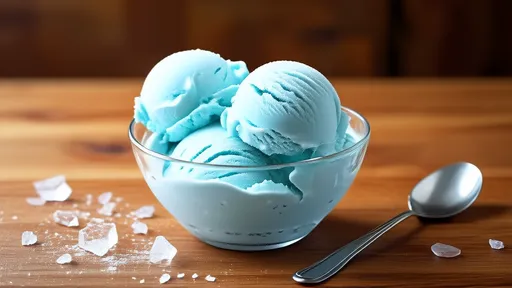
There is a certain magic in scooping into a perfectly smooth, creamy homemade ice cream, a texture so luxurious it rivals the finest gelaterias. Yet, many enthusiastic home chefs have experienced the heartbreak of pulling a rock-hard, crystalline block from their freezer, their sweet dreams shattered along with the icy, grainy mouthfeel. The enemy of sublime frozen desserts is not a lack of flavor, but an overabundance of ice crystals. Mastering the art of ice crystal control is, therefore, the single most important secret to creating professional-quality, silky-smooth ice cream in your own kitchen.
The science behind this culinary frustration is straightforward. Ice cream is a complex colloid, a mixture of ice crystals, air bubbles, fat globules, and a thick, unfrozen syrup. As the mixture freezes, water molecules lock into crystalline structures. The size of these crystals dictates the final texture. Large, jagged crystals, formed during slow or inconsistent freezing, are what we perceive as iciness or sandiness. The goal, then, is to encourage the formation of the tiniest, most imperceptible crystals possible and to prevent them from growing over time. This is achieved through a multi-pronged attack involving ingredients, technique, and equipment.
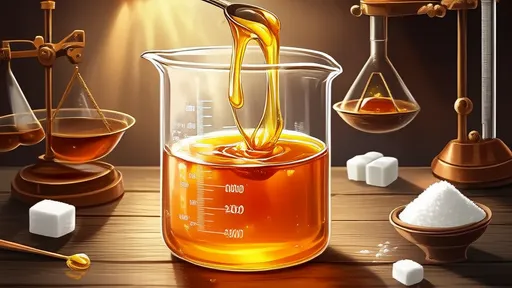
It all begins with the base. A well-constructed custard or syrup is your first line of defense. Sugar is far more than just a sweetener; it is a powerful anti-freeze agent. Sugar molecules bind with water molecules, lowering the mixture's freezing point. This means more of the water remains in a liquid state at lower temperatures, resulting in a softer freeze and less available water to form large ice crystals. However, balance is key. Too much sugar and your ice cream may never properly set, becoming soupy. The type of sugar also matters. Liquid sweeteners like honey, corn syrup, or glucose syrup are particularly effective at inhibiting crystallization because their molecular structure interferes with water's ability to form orderly, large ice lattices. Many expert recipes use a combination of white sugar and a liquid sugar to achieve the perfect balance of sweetness, scoopability, and smoothness.
Fat is another crucial component. Found in cream and egg yolks, fat coats the tiny ice crystals and air bubbles, creating a rich, creamy barrier that prevents the crystals from clumping together and growing. It also provides a luxurious mouthfeel that is the antithesis of iciness. A higher fat content generally leads to a smoother texture, but again, moderation is important to avoid a greasy or overly dense final product. Egg yolks pull double duty. Their fats contribute to creaminess, while the proteins and emulsifiers, primarily lecithin, work to create a stable emulsion. They bind water and fat together seamlessly, preventing them from separating during the freezing process. This stable, homogeneous mixture freezes more uniformly, leading to a finer texture.
Beyond fats and sugars, stabilizers play a heroic role. While some purists may balk at the idea, a small amount of a natural stabilizer can make a world of difference. Substances like cornstarch, guar gum, or xanthan gum work by thickening the unfrozen water portion of the base. This viscous syrup physically hinders the mobility of water molecules, making it incredibly difficult for them to migrate and join existing ice crystals, thus stunting their growth. A mere pinch is all that's needed to ensure stability without affecting the clean flavor of your premium ingredients.
The preparation process is where theory meets practice. Ageing your base is a non-negotiable step for the serious ice cream maker. After cooking your custard, it is essential to let it rest, covered, in the refrigerator for at least four hours, and preferably overnight. This chilling period allows the fats to fully solidify and the proteins and stabilizers to fully hydrate. The result is a thicker, more viscous base that will trap air more effectively during churning and will freeze with a dramatically finer texture. It also allows the flavors to meld and deepen profoundly.
The act of churning is where the physical magic happens. The primary function of an ice cream maker is not just to freeze the mixture, but to do so while simultaneously aerating it and agitating it. As the dasher rotates, it constantly scrapes the forming ice crystals from the sides of the super-cooled canister and folds them into the warmer center. This continuous agitation ensures that crystals remain small and numerous, rather than forming a few large ones. The incorporation of air, known as overrun, lightens the structure, further contributing to a soft, easy-to-scoop texture. Attempting to freeze the mixture statically in a deep-freeze will inevitably lead to a solid block of ice because the crystals are given free rein to grow unabated.
Once churned, the ice cream is at its most vulnerable. The process is not complete. Hardening is the final, critical phase. To prevent large crystals from forming during this stage, you must freeze the ice cream as rapidly as possible. A standard freezer is often not cold enough to do this efficiently. Placing the freshly churned ice cream in the coldest part of your freezer, preferably on a surface that conducts cold well like a metal pan, can help. For the ultimate control, many enthusiasts use a blast chiller or a freezer set to its deepest cold setting. The faster you can bring the ice cream down to its final serving temperature, the smaller the crystals will remain.
Even after hardening, storage is key. Temperature fluctuation is the arch-nemesis of smooth ice cream. Every time the temperature rises slightly, some of the smallest ice crystals melt. When the temperature drops again, that melted water doesn't form new tiny crystals; it instead refreezes onto the surface of the existing larger crystals, causing them to grow progressively over time. This phenomenon, called heat shock, is why ice cream that has been repeatedly partially thawed and refrozen becomes intolerably icy. To combat this, store your ice cream in the back of the freezer, where the temperature is most constant, and always press a piece of parchment paper directly onto the surface before sealing with a lid to prevent ice crystals from forming on top from air exposure.
Armed with this knowledge of cryodynamics, you can transform your homemade ice cream from a humble, icy treat into a sublime, silken indulgence. It is a dance of chemistry and physics—balancing sugars and fats, employing stabilizers, ageing for perfection, churning with purpose, and freezing with haste. The reward for this meticulous attention to detail is the perfect scoop: a cold, creamy masterpiece that glides onto your spoon without resistance and melts on your tongue without a trace of graininess. This is the true art of ice cream, an art defined by the masterful control of the tiny, frozen world within.
By /Aug 29, 2025
By /Aug 29, 2025
By /Aug 29, 2025
By /Aug 29, 2025
By /Aug 29, 2025
By /Aug 29, 2025
By /Aug 29, 2025
By /Aug 29, 2025
By /Aug 29, 2025
By /Aug 29, 2025
By /Aug 29, 2025
By /Aug 29, 2025
By /Aug 29, 2025
By /Aug 29, 2025

By /Aug 29, 2025
By /Aug 29, 2025

By /Aug 29, 2025
By /Aug 29, 2025
By /Aug 29, 2025
By /Aug 29, 2025
