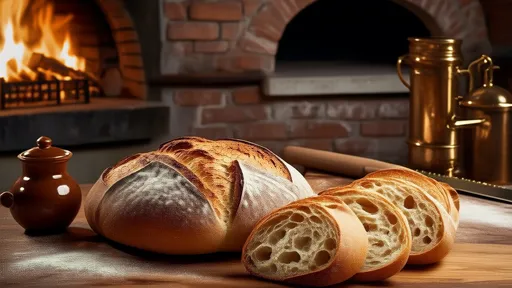
There is a particular magic in the sound of a crisp bite. It is a universal sensory experience, yet one we seldom pause to deconstruct. From the first satisfying crack of a potato chip to the delicate shatter of a perfectly baked baguette crust, the auditory component of eating is not merely incidental; it is a fundamental pillar of our perception of deliciousness. This fascination with crispy, crunchy, and crackly foods is a complex interplay of evolutionary biology, psychology, and food science, creating a multisensory symphony that deeply satisfies the human palate and psyche.
The allure begins not in the kitchen, but deep within our evolutionary past. For our ancestors, the sound of food offered critical data about its state and quality. A crisp sound often signified freshness. Think of biting into a freshly picked apple or cracking open a nut. These sounds indicated that the food was recently harvested, still full of moisture, nutrients, and life. Conversely, a limp, silent, or soggy bite could signal spoilage, rot, or a loss of nutritional value—potential dangers to be avoided. This primal association between crispness and freshness is hardwired into our brains, an ancient quality-control mechanism that still subconsciously guides our preferences today. We are, in a very real sense, programmed to find that cracking sound appealing because for millennia, it meant the food was good to eat.
Beyond mere survival, the sound of crunching plays a surprisingly active role in our psychological experience of food. The sound we hear when we bite into something crispy is not just an external noise; it is a vibration conducted through our jawbones directly to our inner ears, a process known as bone conduction. This creates a uniquely personal and immersive auditory feedback loop. This crunch sound serves as a powerful metric for our brain to assess the food's texture and structural integrity in real-time. The sound confirms the physical action of breaking the food apart, providing a sense of agency and engagement with what we are eating. This is why the experience of eating a crisp food is so much more active and involving than eating something soft or pureed. We are not just consuming; we are interacting, and the sound is the proof of that interaction.
This sonic feedback is intrinsically linked to our perception of texture, which is just as important as taste and aroma in defining flavor. Food scientists refer to this as "mouthfeel," and the auditory component is a crucial part of it. Studies have shown that our perception of a food's crispness and freshness is significantly amplified by its sound. In famous experiments, researchers gave participants potato chips and used headphones to alter the sound of their own crunching. When the high-frequency sounds were amplified, the chips were perceived as significantly fresher and crisper. When those sounds were dampened, the same chips were described as stale and soft. This proves that our brain blends the auditory sensation with the physical and taste sensations to create a unified, and ultimately more intense, experience of flavor. The sound doesn't just accompany the crunch; it is the crunch in our minds.
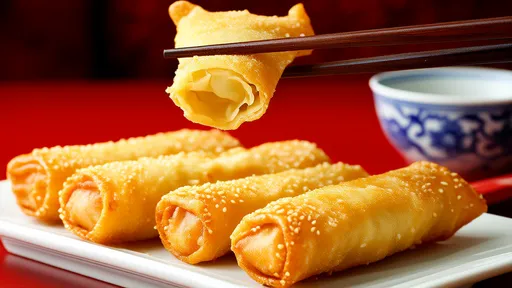
The food industry is, of course, acutely aware of this powerful connection. A tremendous amount of research and development goes into engineering the perfect crunch. It is a precise science involving moisture content, fat levels, baking time, and packaging. The goal is to create a product that delivers a consistent and satisfying acoustic experience every single time. The structure of a potato chip, for instance, is designed to fracture in a specific way, producing a cascade of cracks rather than a single break. The airiness of a cheese puff, the layered structure of a fried onion ring, and the sugar glass shell of a hard candy are all meticulously crafted to produce their signature sounds. This sonic engineering ensures that the product meets our deep-seated expectation that a crisp sound equals a high-quality, enjoyable snack.
Furthermore, our love for these sounds taps into something even more profound: a universal human appreciation for destruction and transformation. There is a simple, visceral pleasure in breaking things, in applying force and witnessing the immediate, audible result. Biting into a crisp food is a miniature act of destruction that we are in complete control of. We initiate the fracture and are rewarded with a symphony of cracks and crunches. This creates a deeply satisfying feedback loop of cause and effect, a primal play behavior that is both stimulating and rewarding. It transforms eating from a passive act of consumption into an active, engaging, and even playful experience.
This phenomenon also has a strong social and cultural dimension. The sound of crunching is often a shared experience, a sign of communal enjoyment. Think of the collective crunch of an audience eating popcorn in a movie theater or the sound of friends sharing a basket of fries. These sounds become associated with positive social gatherings, relaxation, and indulgence. They are the sounds of celebration, of treat foods, and of breaking bread together—literally and acoustically. This cultural reinforcement strengthens the positive emotional response we have to these sounds, layering memories and social bonding on top of the primal and psychological foundations.
In the end, our fascinated for the crackle and crunch of food is a brilliant example of multisensory integration. It is a holdover from our evolutionary history that has been refined by psychology and mastered by modern food science. That sound is far more than just noise; it is an essential ingredient in the recipe for delight. It assures us of freshness, confirms our actions, amplifies flavor, and connects us to a simple, visceral joy. The next time you relish the shatter of a sugar crust or the snap of a fresh vegetable, remember that you are not just tasting your food. You are listening to it, and that sound is a fundamental part of why you love it.

By /Aug 29, 2025
By /Aug 29, 2025

By /Aug 29, 2025
By /Aug 29, 2025
By /Aug 29, 2025
By /Aug 29, 2025
By /Aug 29, 2025
By /Aug 29, 2025
By /Aug 29, 2025
By /Aug 29, 2025
By /Aug 29, 2025
By /Aug 29, 2025
By /Aug 29, 2025
By /Aug 29, 2025

By /Aug 29, 2025
By /Aug 29, 2025

By /Aug 29, 2025
By /Aug 29, 2025
By /Aug 29, 2025
By /Aug 29, 2025
