In the quiet predawn hours across Japan, a familiar ritual unfolds in countless households. The gentle swish of rice being rinsed, the precise measurement of water, the soft click of the rice cooker being switched on—these are the opening notes of a daily symphony dedicated to perfection in a most humble form: a bowl of steamed rice. To the uninitiated, this might seem like mere routine, but in Japan, it is a profound expression of cultural identity, agricultural devotion, and sensory artistry. The Japanese pursuit of the perfect grain, the ideal texture, and the sublime mouthfeel of rice is not a mere preference; it is an obsession rooted in centuries of history, spirituality, and a relentless drive for culinary excellence.
The story begins not in the kitchen, but in the sun-drenched, water-logged paddies that terrace the Japanese countryside. For over two millennia, rice has been far more than a staple crop; it has been the very heart of Japanese civilization, economy, and spirituality. Ancient Shinto beliefs venerated rice as a sacred gift from the gods, with the sun goddess Amaterasu herself considered the divine progenitor of the imperial line and the rice harvest. This spiritual connection elevated rice from simple sustenance to a symbol of life, purity, and prosperity. This deep-seated reverence established a cultural foundation where the quality of rice was paramount. It was never just about achieving fullness; it was about honoring a divine offering through the utmost care in its cultivation, preparation, and consumption. This historical and spiritual weight is the first reason behind the unwavering persistence for rice perfection.
This reverence directly shaped the agricultural landscape, leading to an unparalleled focus on varietal development. While many countries may grow a handful of rice varieties at scale, Japan’s pursuit has been one of meticulous refinement. The king of Japanese rice is Japonica, a short-grain cultivar known for its potential to achieve a sticky, moist, and slightly chewy consistency when cooked—a texture known as mochimochi. Within this category, the Koshihikari variety reigns supreme. Developed in the 1950s, Koshihikari is celebrated for its perfect balance of sweetness, umami, and its exceptional ability to maintain an ideal texture, whether served steaming hot, at room temperature in a bento, or as the base for sushi. Farmers are not just growers; they are custodians of a legacy, engaging in a continuous process of refinement, cross-breeding, and terroir management to protect and enhance these prized strains. The choice of seed is the first critical step in the journey to perfect texture.
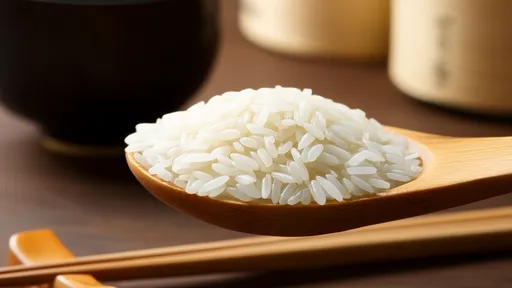
However, the perfect genetics of a Koshihikari grain mean nothing without the exacting standards of preparation. This is where the Japanese rice aesthetics truly comes to life, transforming the act of cooking into a precise science. It starts with the selection of the rice itself, often chosen by year and prefecture of origin, much like a fine wine. The process that follows is a series of non-negotiable steps. The rice must be washed, not merely rinsed. Cold water is used to gently agitate the grains, removing the talc-like nuka (rice bran powder) without fracturing the kernels, which would release too much starch and create a gummy, undesirable texture. This washing continues until the water runs almost clear, a testament to the patience invested.
The next variable is hydration. The washed rice must be soaked in fresh water for a precise amount of time, typically between 30 minutes to an hour, depending on the age and variety of the rice. This allows each grain to absorb moisture evenly, ensuring a uniform cook. The water-to-rice ratio is measured with near-scientific precision, often by weight rather than volume, to achieve the exact level of firmness or softness desired. Finally, the cooking itself must include a period of steaming after the water has been absorbed. This final rest, where the rice is left to "swear" in its own steam, completes the process, allowing the starches to set perfectly and giving each grain its distinct, separate yet cohesive identity.
The ultimate test of this effort is the sensory experience—the hokkori and futtari texture that is the holy grail of Japanese rice cuisine. Hokkori describes the delightful, slight resistance one feels when biting into a well-cooked grain—a gentle firmness that is the opposite of mushiness. It is the satisfying feeling of individual grains yielding between the teeth. Futtari, on the other hand, describes the subsequent soft, fluffy, and airy quality that follows the initial bite. The perfect bowl of rice achieves a harmonious balance of these two textural sensations. It is this complex mouthfeel, a delicate dance of resistance and softness, that brings profound satisfaction. It is why a bowl of plain, impeccably cooked rice can be a meal unto itself, needing only perhaps a sprinkle of furikake or a single umeboshi plum to complement its perfection.
This obsession extends far beyond the plain steamed rice bowl, infiltrating and elevating the entire culinary culture. It is the critical, albeit often silent, partner in Japan's most iconic dishes. In sushi, the texture of the shari (sushi rice) is as important as the quality of the fish. It must be firm enough to hold its shape when molded by the itamae’s hands, yet soft and acidic enough to dissolve cleanly on the palate without competing with the neta (topping). A sushi master spends years learning to cook and season the rice to achieve this balance. In a donburi (rice bowl dish), the rice acts as a neutral, textural canvas that absorbs the flavors of the toppings—be it beef, egg, or tempura—while providing a satisfying chew that contrasts with the other ingredients. Even for curry, a dish adopted from other cultures, the rice is chosen and prepared specifically to be slightly firmer, providing a sturdy base to support the thick, rich sauce without becoming soggy.
In conclusion, the Japanese persistence for the perfect rice texture is a multifaceted cultural phenomenon. It is a pursuit woven from threads of ancient spirituality, historical necessity, agricultural science, and culinary artistry. It is a testament to a culture that finds profound meaning in mastering the simple, elevating the everyday into an experience of sensory pleasure and deep respect. The perfect grain is not an end in itself; it is a medium through which Japanese values of precision, seasonality, and omotenashi (wholehearted hospitality) are expressed. From the sacred paddies to the meticulous hands of the cook to the final, satisfying chew, the journey of the Japanese rice grain is a deep and enduring expression of the nation's soul, one perfect, textured mouthful at a time.

By /Aug 29, 2025

By /Aug 29, 2025

By /Aug 29, 2025
By /Aug 29, 2025

By /Aug 29, 2025

By /Aug 29, 2025
By /Aug 29, 2025
By /Aug 29, 2025
By /Aug 29, 2025
By /Aug 29, 2025

By /Aug 29, 2025
By /Aug 29, 2025
By /Aug 29, 2025
By /Aug 29, 2025

By /Aug 29, 2025
By /Aug 29, 2025

By /Aug 29, 2025
By /Aug 29, 2025
By /Aug 29, 2025
By /Aug 29, 2025
