There's something almost magical about the moment a raw steak hits a hot pan. That initial explosive sizzle is the start of a culinary symphony, a complex performance of heat and chemistry that transforms a simple cut of beef into something transcendent. The deep, savory crust, the rich, meaty aroma that fills the kitchen—this isn't just cooking; it's the application of science to achieve gastronomic perfection. At the heart of this transformation lies the Maillard reaction, a deceptively simple process that is the true secret behind the perfect, beautifully seared steak.
The Maillard reaction, named after the French chemist Louis-Camille Maillard who first described it in the early 20th century, is often mistakenly called "caramelization." While both processes involve browning, they are fundamentally different. Caramelization is the pyrolysis, or breakdown, of sugar when exposed to heat. The Maillard reaction is far more complex. It is a chemical reaction between amino acids, the building blocks of proteins, and reducing sugars. This reaction requires heat to proceed and is responsible for the vast array of flavors and aromas we associate with roasted coffee, baked bread, grilled meats, and of course, a perfectly cooked steak. It creates hundreds of different flavor compounds, which in turn break down to form even more new flavor compounds, resulting in the incredibly deep and complex flavor profile of a good sear.
Understanding this reaction is the first and most crucial step to mastering the art of the sear. It doesn't happen at just any temperature. If your pan is too cool, the steak will merely steam and turn gray, leaching its precious juices. The Maillard reaction typically begins in earnest around 280°F to 330°F (140°C to 165°C). This is why a screaming-hot pan is non-negotiable. The high heat rapidly drives off surface moisture—another critical factor, as the reaction cannot occur in the presence of water—and quickly pushes the meat's surface into the ideal temperature range for browning to begin. This rapid searing creates a barrier, sealing in the steak's natural juices and ensuring a moist, tender interior.
Your journey to a perfect steak begins not at the stove, but at the market. The cut of beef you choose is paramount. For a magnificent sear, you want a steak with good marbling—those thin white streaks of intramuscular fat running through the meat. This fat renders during cooking, basting the steak from the inside out, contributing immensely to both flavor and juiciness. Excellent choices include ribeye, strip steak (New York strip), or a well-trimmed porterhouse. Thickness is also key; a steak that is at least one to one and a half inches thick is ideal. This provides enough mass to develop a dark, robust crust on the outside without overcooking the center, allowing you to achieve that coveted contrast between the sear and the juicy, pink interior.
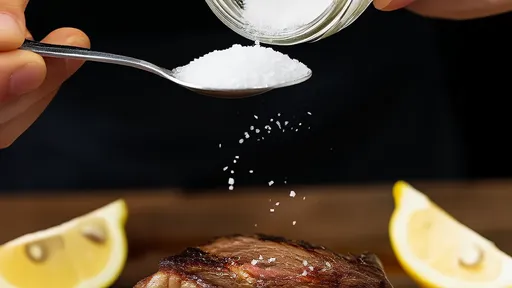
Once you have your perfect cut, how you prepare it is just as important as how you cook it. The single most important step is to ensure the steak's surface is bone-dry. Any moisture on the surface will instantly lower the pan's temperature and steam the meat, preventing browning. Pat the steak aggressively with paper towels until the surface is completely dry. This cannot be overstated. Next, be generous with seasoning. Salt is not just a flavor enhancer; it also helps draw out a small amount of residual moisture, which you will pat away again right before cooking. Season liberally with kosher salt and freshly ground black pepper just before it goes into the pan. Some argue for salting hours ahead (dry-brining), which can season the meat more deeply and further dry the surface, but a last-minute heavy salting will still yield spectacular results.
Now, for the main event: the sear. Your choice of cooking fat is critical. You need an oil with a high smoke point—the temperature at which it begins to burn and smoke, imparting acrid flavors. Butter may taste wonderful, but it burns at a relatively low temperature. Instead, use a high-heat oil like avocado, grapeseed, or refined safflower oil to start the sear. Add a thin layer of oil to your heavy-bottomed skillet—cast iron is the undisputed champion for this task due to its incredible heat retention—and place it over medium-high to high heat. Let the pan get properly hot. You should see the oil just starting to shimmer and faintly wisp smoke.
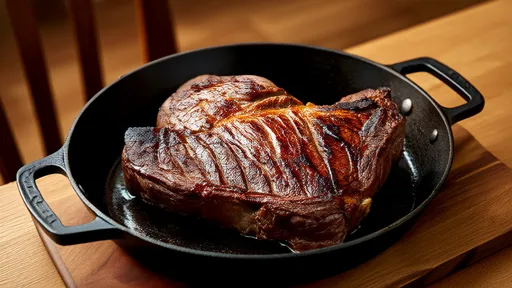
Gently lay the steak away from you in the pan to avoid oil splatter. You should be greeted by an immediate, aggressive sizzle. This is the sound of success. Do not move it. Resist every urge to poke, prod, or peek. For a one-inch steak, allow it to sear undisturbed for a full two to three minutes. This uninterrupted contact is what allows the Maillard reaction to build a foundation and create a proper crust. Peeking too early will tear this developing crust away from the meat. You can gently lift a corner to check the color after a couple of minutes; you are looking for a deep, rich brown. When one side is perfectly seared, use tongs to flip the steak once and only once. Repeat the process on the second side.
For thicker cuts, after both sides are beautifully seared, you may need to lower the heat slightly or move the pan to a moderate oven to finish cooking the center to your desired doneness. This is the classic "sear-and-roast" method. For added flavor, in the last minute of cooking, you can add butter, garlic cloves, and fresh herbs like rosemary or thyme to the pan. Tilt the pan and, using a spoon, continuously baste the melting butter over the steak. This not only adds flavor but also provides an extra burst of heat to finish the crust. Remember, carryover cooking will raise the internal temperature of the steak by about 5°F after it's removed from the heat, so plan accordingly and pull it just before it reaches your target temperature.
The work is not quite done when the steak leaves the pan. Resting is not a suggestion; it is a mandatory step. As the steak cooks, its muscle fibers tighten and push its juices toward the center. If you slice it immediately, those precious juices will simply flood out onto your cutting board, leaving you with a dry steak. Transfer the cooked steak to a wire rack set over a plate or a warm cutting board and let it rest for at least five to ten minutes, depending on its thickness. This allows the fibers to relax and reabsorb the juices throughout the entire steak, ensuring every single bite is succulent. This pause is the final act of patience that your masterpiece requires.
Finally, slice against the grain. Look for the direction of the muscle fibers and cut perpendicular to them. This severs the long, tough fibers, making the steak dramatically more tender and easier to chew. Serve immediately and behold your handiwork: a steak with a dark, crackling, flavorful crust giving way to a tender, juicy, perfectly cooked interior. The Maillard reaction is the invisible artist, but you are the master who provided the canvas and the conditions for it to create its masterpiece. Understanding this powerful chemical process elevates cooking from mere recipe-following to an intuitive art form, unlocking a world of flavor right there on your stovetop.

By /Aug 29, 2025

By /Aug 29, 2025

By /Aug 29, 2025
By /Aug 29, 2025

By /Aug 29, 2025
By /Aug 29, 2025
By /Aug 29, 2025
By /Aug 29, 2025
By /Aug 29, 2025
By /Aug 29, 2025

By /Aug 29, 2025
By /Aug 29, 2025
By /Aug 29, 2025
By /Aug 29, 2025

By /Aug 29, 2025

By /Aug 29, 2025

By /Aug 29, 2025

By /Aug 29, 2025
By /Aug 29, 2025
By /Aug 29, 2025
