In the harsh, unforgiving climates of the Nordic regions, where long winters and limited growing seasons once threatened survival, an extraordinary culinary tradition emerged not from abundance, but from necessity. The people of Scandinavia and the North Atlantic islands developed ingenious methods of food preservation that did more than merely stave off hunger; they created some of the world's most unique and challenging delicacies. This is a story of resilience, a testament to human ingenuity in the face of scarcity, where the very techniques designed to make food last for months or even years forged a distinct and enduring gastronomic identity.
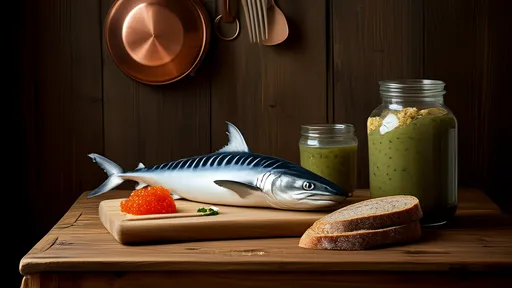
The story begins with the most humble of resources: fish. The cold, rich waters of the North Atlantic have always been a vital source of sustenance. However, catching a bounty of herring in the summer was of little use if it couldn't be stored through the barren winter months. Thus, salting, or curing, became the cornerstone of Nordic food preservation. The process was straightforward yet effective. Layers of fresh herring were packed tightly in barrels with copious amounts of salt. The salt drew out moisture, creating an environment too hostile for the bacteria that cause spoilage. This method gave birth to surströmming, the Swedish fermented Baltic herring that is infamous for its powerful, pungent aroma. Unlike simply salted fish, surströmming undergoes a partial fermentation process in the brine, resulting in a uniquely sour, intense flavor that is, for the uninitiated, an overwhelming experience. For centuries, it has been a cherished, if divisive, staple, traditionally eaten with thin, crisp bread, boiled potatoes, and finely chopped onion.
While the Swedes were perfecting their fermented herring, their neighbors to the west in Iceland faced an even more daunting challenge. In a land of volcanic rock and glaciers, where agriculture was exceptionally limited, every part of a captured animal had to be utilized. From this extreme need came hákarl, or fermented Greenland shark. The Greenland shark is a remarkable creature, but its flesh is toxic when fresh due to high concentrations of urea and trimethylamine oxide, a natural antifreeze that allows it to survive in frigid depths. The Vikings discovered that this toxicity could be neutralized through a specific and arduous process. The shark meat is cut and buried in shallow, gravelly pits, pressed down with stones to force out the fluids. It is left to ferment for weeks or even months, after which it is dug up, cut into strips, and hung to dry for several more months. The result is a cheese-like, ammonia-rich product with a formidable odor that lingers in the air and a taste that is truly acquired. Hákarl is more than food; it is a direct link to the Viking age, a symbol of Icelandic tenacity and a celebrated part of the Þorrablót midwinter festival.
Beyond fish, other preservation methods were employed to secure a diverse diet. Smoking was widely used, particularly for meats like lamb and mutton. In Iceland, hangikjöt (hung meat) is a traditional holiday dish of smoked lamb, often served with potatoes in a white sauce. The smoking process, typically using sheep dung or birch, imparts a distinctive flavor while the smoke's antimicrobial properties protect the meat. Drying was another crucial technique, used for fish to make stockfish (tørrfisk) or hardfish (harðfiskur), a lightweight, protein-rich snack that could be stored for years. Perhaps the most comprehensive example of this preservation ethos is the Finnish squeaky cheese, or Leipäjuusto. This fresh cheese made from cow's or reindeer milk is baked, brined, or dried, giving it a long shelf life and its characteristic rubbery texture and mild, salty taste, often served with cloudberry jam.
These preserved foods are far more than historical curiosities or challenges for adventurous eaters; they are deeply woven into the social and cultural fabric of the Nordic nations. They are central to feasts and celebrations, acting as potent symbols of cultural pride and historical continuity. The Swedish surströmming party (surströmmingsskiva) is a social event where opening the bulging can is a ritualistic experience, often conducted outdoors due to the potent smell. Similarly, the Icelandic Þorrablót is a feast dedicated to the old Norse month of Þorri, where a buffet of traditional foods, including hákarl, sour ram's testicles, and blood pudding, is served. These gatherings are not just about eating; they are about community, remembrance, and celebrating a shared heritage that was forged in resilience.
In recent decades, a new chapter has begun for these ancient foods. The global rise of the New Nordic Cuisine movement, championed by renowned restaurants like Noma in Copenhagen, has sparked a renewed interest in these traditional preservation techniques. Celebrated chefs are not simply recreating old dishes; they are reinterpreting them. They delve into the science of fermentation and aging, applying it to a wider range of local ingredients with a modern sensibility. Lactic fermentation of vegetables, aging of meats in controlled environments, and the crafting of complex sauces from fermented fish pastes are now hallmarks of this cutting-edge cuisine. This movement has transformed the narrative, framing these methods not as archaic practices of poverty, but as sophisticated avenues for achieving unparalleled depth of flavor and umami. The old wisdom of survival is now recognized as a form of culinary art.
The journey from the salted herring barrel to the Michelin-starred plate tells a profound story. It is a narrative that transcends gastronomy, speaking to a fundamental human impulse to adapt and thrive. The Nordic mastery of preservation is a brilliant response to an extreme environment, a legacy of making the impossible not only possible but delicious. These strong-smelling, potent foods are the edible embodiment of history, a direct taste of the past that continues to evolve and inspire. They remind us that some of the world's greatest flavors were born not in times of plenty, but from the ingenious will to survive, a testament to the fact that necessity is, indeed, the mother of invention.

By /Aug 29, 2025

By /Aug 29, 2025

By /Aug 29, 2025
By /Aug 29, 2025

By /Aug 29, 2025

By /Aug 29, 2025

By /Aug 29, 2025
By /Aug 29, 2025
By /Aug 29, 2025
By /Aug 29, 2025
By /Aug 29, 2025
By /Aug 29, 2025
By /Aug 29, 2025
By /Aug 29, 2025
By /Aug 29, 2025
By /Aug 29, 2025

By /Aug 29, 2025

By /Aug 29, 2025
By /Aug 29, 2025
By /Aug 29, 2025
